Mountaineering is one of those pursuits that is difficult to fully understand unless you experience it firsthand. The physical strain, the silence of high altitude, the constant negotiation between ambition and safety—these are not easily explained. However, certain films and documentaries come remarkably close to capturing this world.
Some tell stories of survival against impossible odds. Others explore the psychology of climbers who push themselves toward extreme objectives. A few dive deep into Himalayan expeditions, showing the raw realities behind summit photos.
If you are planning to climb, already involved in mountaineering, or simply curious about what draws people to high mountains, these films offer more than entertainment. They provide insight, perspective, and often a reality check.
Below are seven mountaineering movies and documentaries that every serious mountain enthusiast should watch.
1. Everest
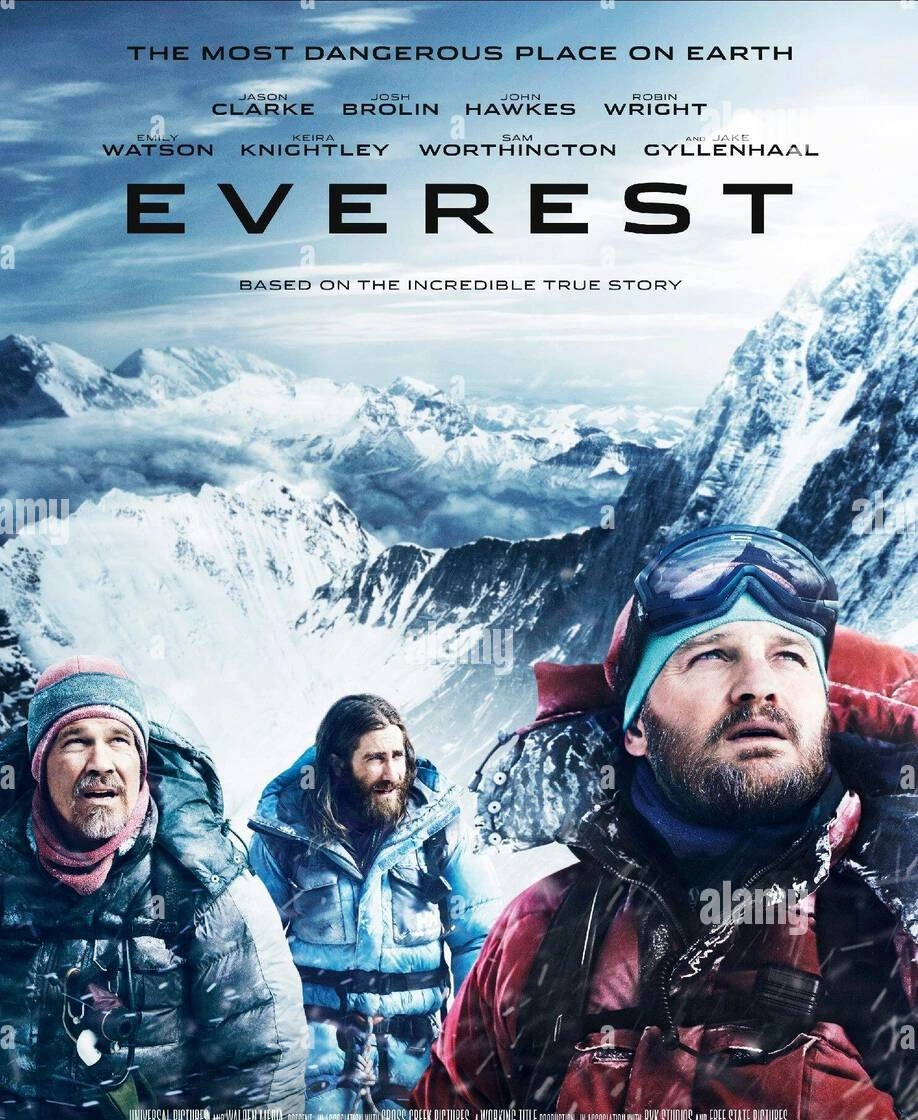
This film is based on the real events of the 1996 Mount Everest disaster, one of the deadliest seasons in the mountain’s history. It follows multiple expedition teams as they attempt to summit Everest and encounter a sudden and devastating storm.
What makes this film important is not just the drama, but the way it highlights decision-making under pressure. It shows how small delays, miscommunication, and weather misjudgments can quickly escalate into life-threatening situations at high altitude.
The film also gives a realistic look at expedition dynamics—guides managing clients, climbers dealing with exhaustion, and the constant tension between pushing forward and turning back.
For beginners, it serves as a strong reminder that mountains do not forgive poor judgment.
2. Into Thin Air: Death on Everest
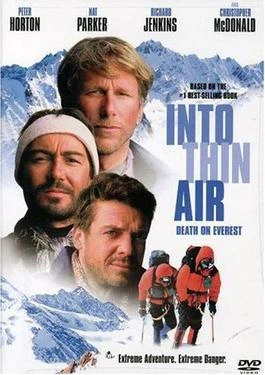
Adapted from Jon Krakauer’s bestselling book, this film provides a more personal and journalistic perspective on the same 1996 Everest disaster.
Unlike larger cinematic productions, this version focuses more on the human side of the story. It explores the psychological pressure climbers face, the influence of commercial expeditions, and how ambition can cloud judgment.
The storytelling is less about spectacle and more about reflection. It forces viewers to think about responsibility, leadership, and the ethics of high-altitude climbing.
For anyone serious about mountaineering, this is not just a film—it is a case study.
3. Meru
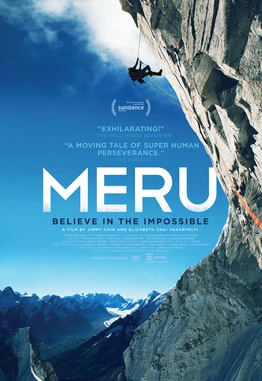
Meru is one of the most respected mountaineering documentaries ever made. It follows the attempt to climb the Shark’s Fin route on Mount Meru, one of the most technically challenging objectives in the Himalayas.
What sets this film apart is its depth. It is not just about climbing—it is about obsession, failure, and persistence. The climbers face repeated setbacks, including failed attempts, injuries, and extreme conditions.
The film also captures the reality of alpine-style climbing, where climbers carry everything themselves and operate with minimal support.
Meru is a powerful reminder that success in mountaineering often comes after multiple failures.
4. Free Solo
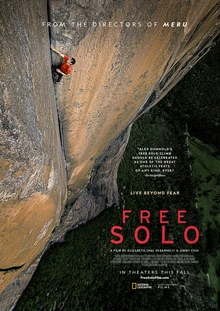
While not set in the Himalayas, Free Solo is essential viewing for understanding the mindset of extreme climbers. It follows Alex Honnold as he attempts to climb El Capitan without ropes.
The film is less about mountaineering technique and more about mental control. It explores how climbers manage fear, focus, and risk at the highest level.
What makes it relevant to mountaineers is the insight into decision-making under extreme pressure. The level of discipline and preparation shown in the film is something every climber can learn from.
It challenges the viewer to rethink what “risk” really means.
5. Touching the Void

This documentary tells the true story of a climbing accident in the Peruvian Andes where one climber is forced to make an impossible decision to save his own life.
What follows is one of the most intense survival stories in mountaineering history. The injured climber’s struggle to return to safety after being left for dead is both brutal and inspiring.
The film highlights the unpredictable nature of climbing and the importance of mental resilience.
It also raises difficult ethical questions about survival and decision-making in extreme situations.
6. The Dawn Wall
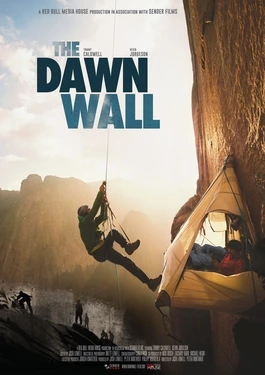
The Dawn Wall follows Tommy Caldwell and Kevin Jorgeson as they attempt one of the hardest rock climbs in the world.
Although it is not a high-altitude expedition, the film provides valuable insight into long-term commitment, patience, and problem-solving in climbing.
The story spans years of preparation, showing how persistence and incremental progress lead to success.
For mountaineers, the lesson is clear—big objectives require time, planning, and resilience.
7. 14 Peaks: Nothing Is Impossible
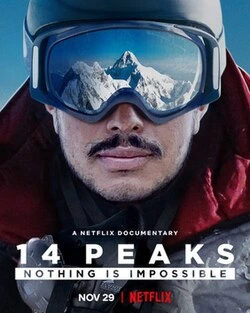
This documentary follows Nirmal Purja’s attempt to climb all 14 of the world’s 8000-meter peaks in record time.
The film offers a modern perspective on high-altitude mountaineering, combining speed, strategy, and team coordination.
It also highlights the crucial role of Sherpas and support teams, bringing attention to their contributions in high-altitude expeditions.
While the achievement is extraordinary, the film also raises questions about evolving styles of climbing and the future of mountaineering.
Why You Should Watch These Films
Each of these films captures a different aspect of mountaineering. Some focus on Himalayan expeditions, others on technical climbing, and a few on survival and psychology.
Together, they provide a comprehensive understanding of what mountaineering really involves. They show that climbing is not just about reaching the summit—it is about preparation, teamwork, decision-making, and sometimes knowing when to turn back.
Watching these films can also help beginners set realistic expectations. They reveal the risks, the effort, and the mindset required to operate in extreme environments.
Final Takeaway
Mountaineering films are more than just stories. They are lessons in risk, resilience, and human limits.
If you are planning to step into the mountains, these films will not only inspire you but also prepare you mentally for what lies ahead.
Because in mountaineering, understanding the reality is just as important as chasing the dream.